
Introducing SFW Hub: Oxford
Next we speak to the lovely Hailey from Cherwell Collective - the team behind our Oxford Hub!
Back for their second year, Cherwell Collective champion a range of brilliant causes in their local community from the Climatarian Kitchen, the Cherwell Larder, WISH Innovation station, everything is centred around creating change through connecting communities.
Can you tell us a little bit more about Cherwell Collective?
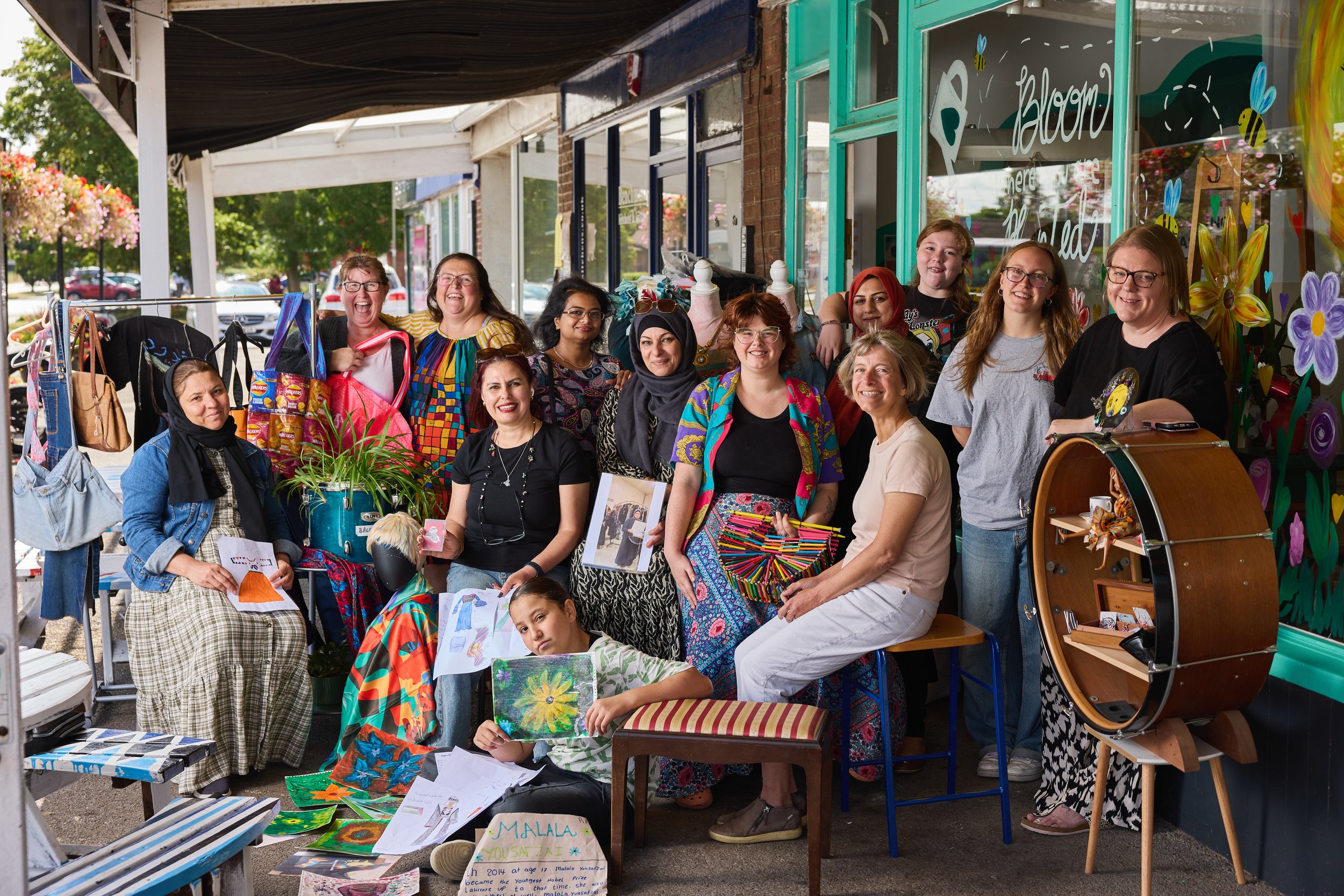
Hailey: “Cherwell Collective CIC are thrilled to be a part of Sustainable Fashion Week 2025. We are a Kidlington (Oxford) based grassroots collective building the groundwork for the UK’s first circular economy. We create change through community connection.
We started during COVID as a small group of locals who wanted to make sure our neighbours had food to eat during the pandemic. This project quickly grew into a massive movement to address the problems our community faces because of unsustainable food, fashion, and waste systems. We bring together local people and resources to create happy, healthy, and thriving communities.
We’re still community-led and sustained by incredible volunteers, and have an amazing team of around 15 staff members who oversee our education and outreach as we expand our projects and learnings into Oxfordshire and beyond.”
What other community projects do you oversee?
“We have 5 core projects that empower our community to reduce its carbon footprint.
Climatarian Kitchen reduces waste by using local food surplus to provide meals for the community and educating about the Carbon Cost of food.
WISH (Waste Innovation Station HQ) is a project and hub that functions as a community space, waste innovation workshop, and a boutique for innovative waste creations. We join Sustainable Fashion Week as part of WISH’s Carbon Cost of Fashion Campaign.
Harvest @ Home reduces consumption, increases food security, and promotes well-being through teaching people to garden at home.
Cherwell Larder Marketplace redistributes food and other local surplus weekly to reduce waste and combat food insecurity.
Oxford Party Library drastically reduces waste through lending common supplies for parties and events to the community as a 'library of things.”
Who’s behind your organisation?
Dr. Emily L. Connally, the founder and managing director of Cherwell Collective, has been an experimental psychologist with expertise in how the brain learns and how people’s behaviour changes. Her experience informs our model to support people’s sustainability journey through active learning and interactive workshops and exhibitions. She’s joined in our Sustainable Fashion Week by Pranati Pareek, sustainable fashion MA and social media guru, and Hailey Larson, sustainable development MA and ex-wedding photographer who loves shopping secondhand.”
Are there any guiding principles which Cherwell Collective use?
“Most people are surprised to learn that most emissions globally come from the industrial production of our things and not from transport or domestic electricity usage. This means that your impact on the climate comes primarily from what you choose to buy, including food, household goods, and of course, fashion and textiles!
We developed five principles that help you use your purchasing power to demand sustainable industries:
Shop Surplus First: This is the best way to keep items in circulation, reduce waste, and prevent overproduction. This includes unsold items being marked down or given away, or anything you find used or second hand. Think goods swaps, flea markets, or second-hand stores and marketplaces. You can do this with mostly anything, including food, clothing, and household goods.
Be Informed: As they say, knowledge is power. Learning a bit of information about where products come from and how they are made can help you make choices where it counts. If you’re looking for a place to start, we cover basic topics on our website’s learn page and Our Collective Thoughts blog.
Be Flexible: Break out of well-worn patterns and habits and adapt to changing circumstances.
Think Smaller: Smaller wardrobes, smaller appliances, smaller homes and vehicles are usually more energy efficient and lower emissions.
Buy Less But Better: When you buy less of something, usually at a lower cost, one upside is that you can afford to buy better options even though they might be more expensive. If you are going to buy new, buy less but better (i.e. higher quality) things.”
Tell us about your participation in 2024
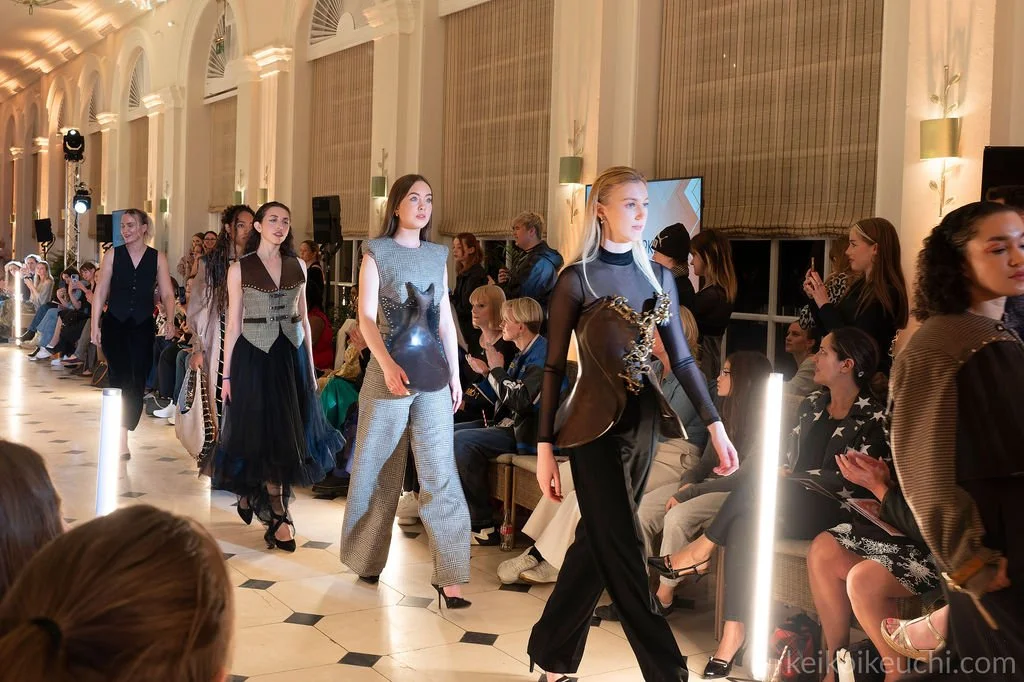
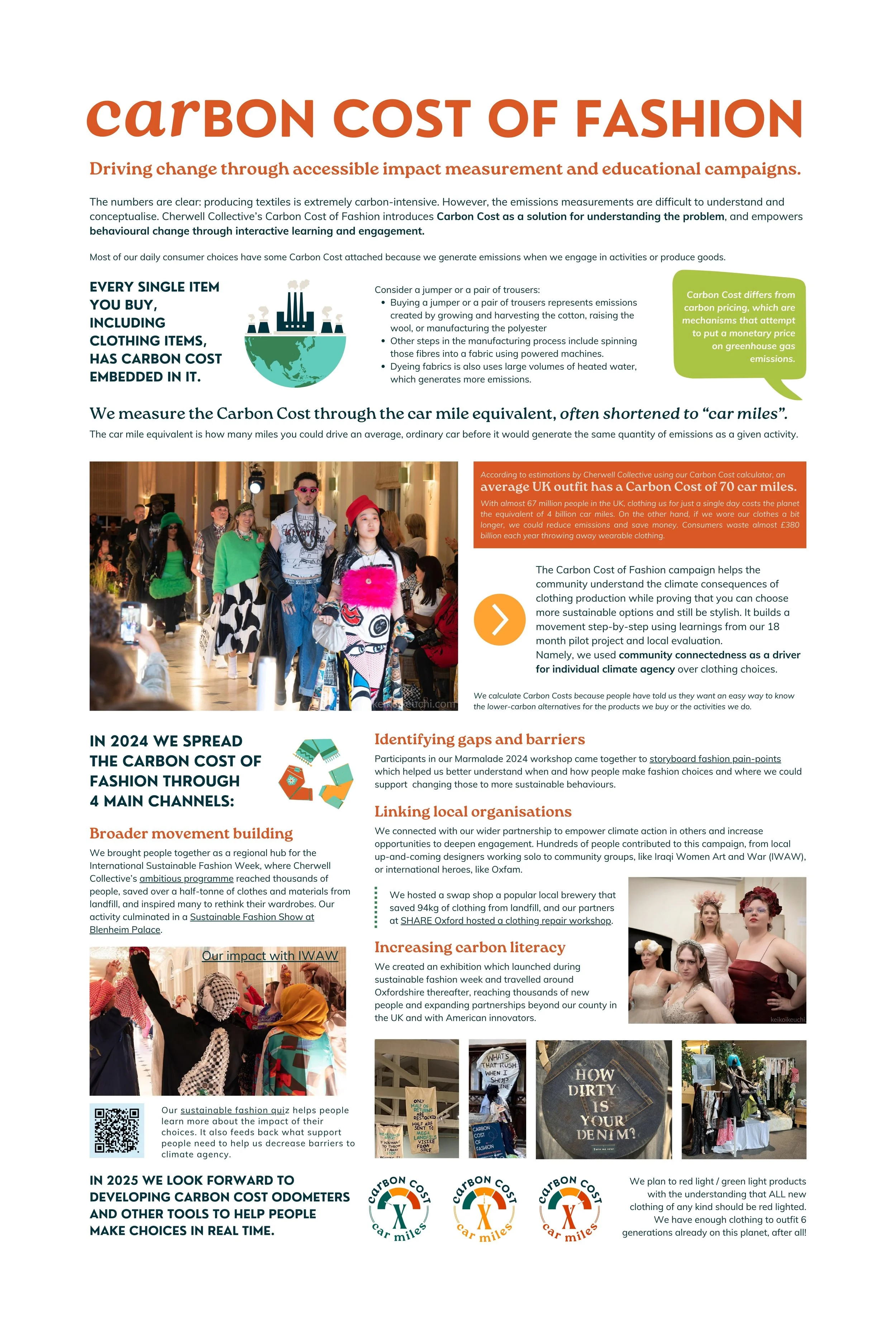
“We joined Sustainable Fashion Week for the first time in 2024 when we launched our WISH Carbon Cost of Fashion campaign. We created and toured a handmade exhibit detailing the impact of our fashion choices and how we can change, organised a textile repair workshop with our friends at SHARE, ran a clothing swap with TAP Social, and the crowning event: our sustainable fashion show! The Re:Fashion Show at Blenheim Palace on 24 September was a resounding success! We had an incredible time celebrating local innovation and artistry in rethinking materials. The runway show included collaborations with organizations such as Iraqi Women Art and War (IWAW) and Multaka Oxford, which enabled women from numerous global backgrounds to create and showcase garments they made using sustainable materials and techniques. We can’t wait to bring a sustainable fashion show to the Palace again with the 2025 Ripples of Change sustainable fashion show.
We take part in SFW because we want to help everyone understand fashion’s impact on climate. After all, clothing and textiles contribute roughly 8% of all global greenhouse gas emissions!”
You can learn more about Cherwell Collective and their projects via their website here.
View the full programme of events for Oxford in the SFW 2025 programme here.