
Introducing SFW Hub: Norwich
We’re thrilled to welcome another new Hub partner for 2025 - Norwich University of the Arts! Spearheading a range of events across Norwich, the University has a long history of unlocking potential, breaking down barriers and shaping the world through its range of creative courses.
Here we chat to Nina Dobson, one of the Fashion Lecturers at Norwich University of the Arts and co-chair of the Sustainability Working Group about their history, courses and plans for SFW.
Who is behind the Norwich Hub?
Nina: “The Norwich SFW Hub is led by Kevin Freeman (Director of Fashion and Textiles) and Nina Dobson (Fashion Lecturer), alongside passionate students and staff from the university’s Sustainability Working Group. Our team brings together a wide range of expertise – from sustainable design and heritage crafts to regenerative thinking and critical theory. Collaboration across creative disciplines is central to our approach, and this event will bring together students from fashion, textiles, and other subject areas, while also engaging the wider Norwich community.”
Can you tell us a little bit more about Norwich University of the Arts?
“Norwich University of the Arts has a rich history of creative education dating back to 1845. We believe in the power of resilience and creative thinking to shape a better, more equitable world. Our vision is to become a leading institution where the future of creativity and creative arts education is passionately debated.and sustainability is embedded across all our courses. This year, our inaugural Sustainability Awards recognised outstanding student work from across the university – from graphic communication and architecture to interior design – reflecting our belief that sustainable thinking belongs in every discipline.
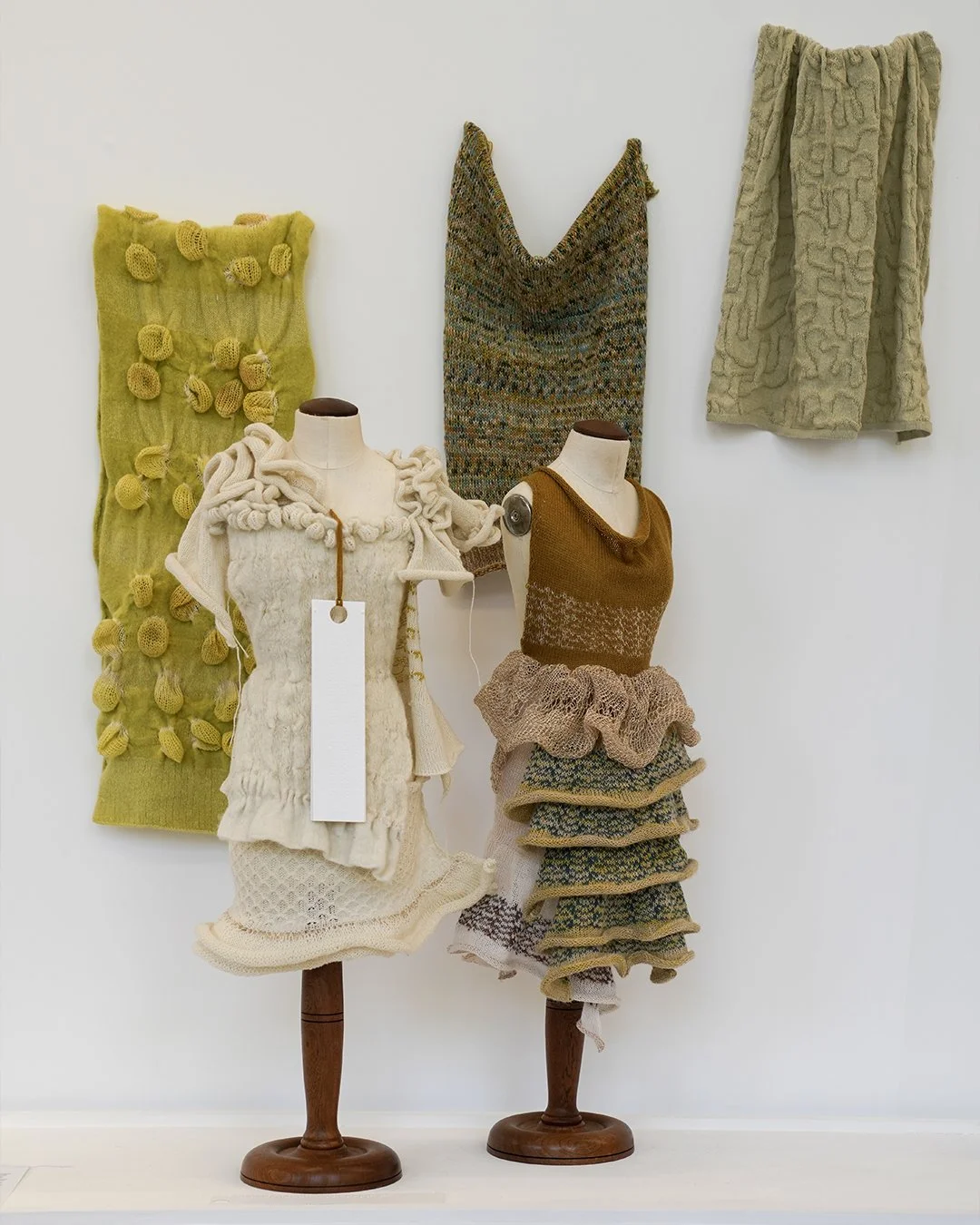
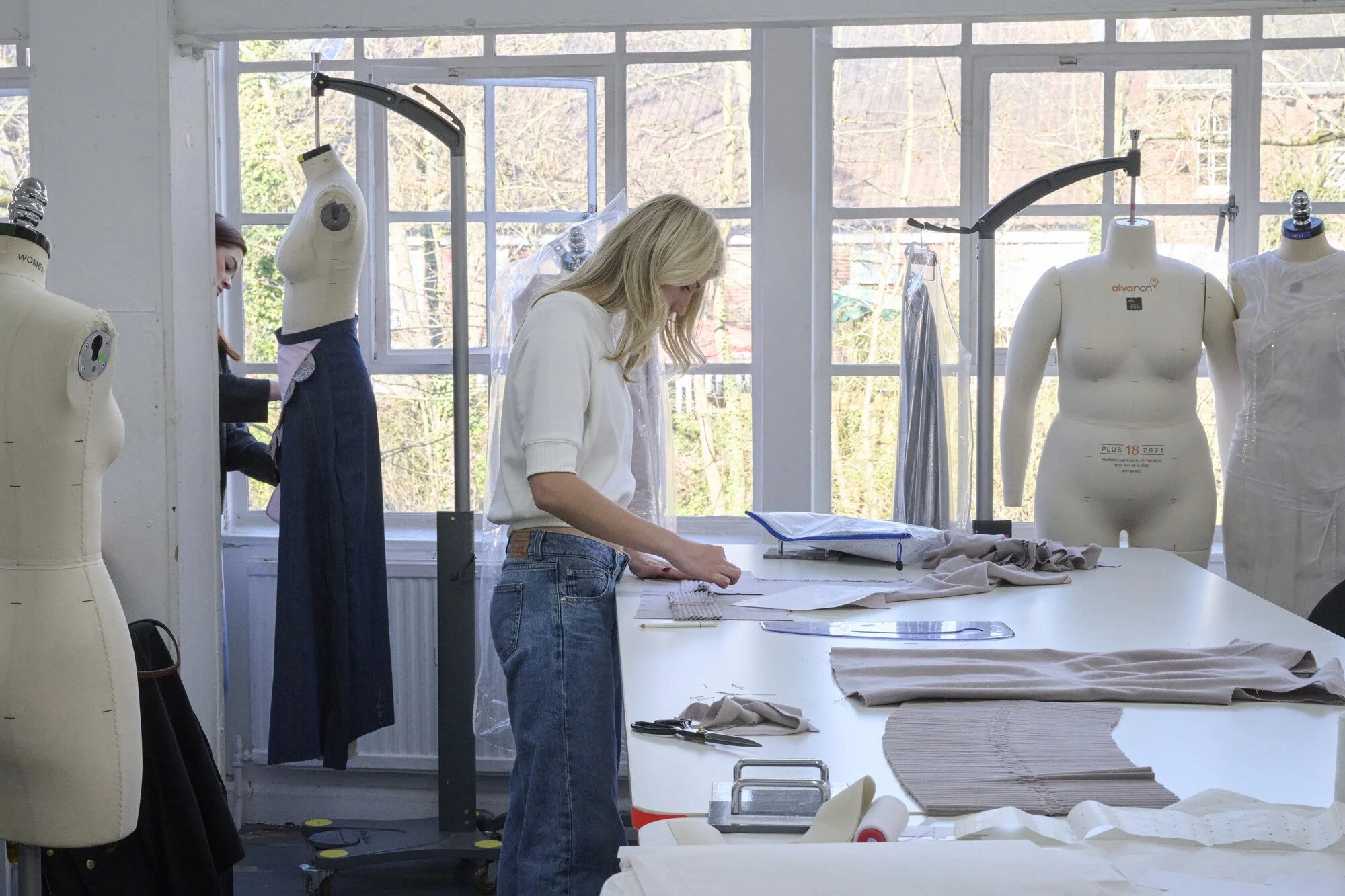
Our commitment to sustainable fashion grows from the urgent need to rethink how we make, wear, and value clothing. Our students are already leading this conversation – advocating for ethical practices, circular systems, and social change. In Fashion, we explore everything from zero-waste pattern cutting to the social narratives behind mending and reuse. Many students are actively involved in local initiatives, including repair cafés, clothing swaps, and dye gardens, working with Norwich-based partners to inspire more conscious consumption and creativity.
Our campus sits in Norwich’s historic textile district, where the River Wensum once ran red with dye. The nearby Madder Market took its name from a natural dyestuff once traded here. With historic textile-producing neighbours like Saffron Walden and Worstead, the language of cloth runs deep through Norfolk’s cultural roots. Today, the same river flows past our Fashion and Textiles building, reminding us of fashion’s environmental legacy – and the urgent responsibility to change its future. As the industry continues to exploit resources and communities in the Global South, these echoes from history feel increasingly relevant.”
Can you tell us a little bit about your programme?
“This year marks our debut as an official Sustainable Fashion Week Hub, and we’re thrilled to be part of the movement. The week provides a vital platform to share stories, amplify ideas, and build connections with others across the city who are passionate about reimagining fashion’s future. Our programme features talks, hands-on workshops in visible mending and natural dyeing, and a special film screening. Students will play a central role—engaging with key issues and reaching out to the wider community to exchange knowledge, inspire action, and spark meaningful conversations.”
Do you have any guiding principles as an institution?
“We believe fashion can be a force for positive change. As a specialist creative arts university, we see design as a tool for transformation. Our approach is rooted in care: for people, for materials, and for the planet. We champion curiosity, critical thinking, and hands-on making that challenges fast fashion and celebrates longevity, adaptability, and storytelling. Fashion here is not only a craft, but a conversation, about identity, responsibility, and change.”
Are there any resources you’d recommend for someone trying to learn more about fashion and its impact on the world?
“For anyone looking to shift their perspective on fashion, we recommend:
The True Cost and Fashion Reimagined (documentaries)
Aja Barber’s Consumed
Zero Waste Fashion Design by Rissanen & McQuillan
Global Perspectives on Sustainable Fashion by Gwilt, Payne & Ruthschilling
These resources highlight both the challenges and the opportunities within fashion’s future.”
Quick Fire Questions
What’s a fun fact about Norwich University of the Arts?
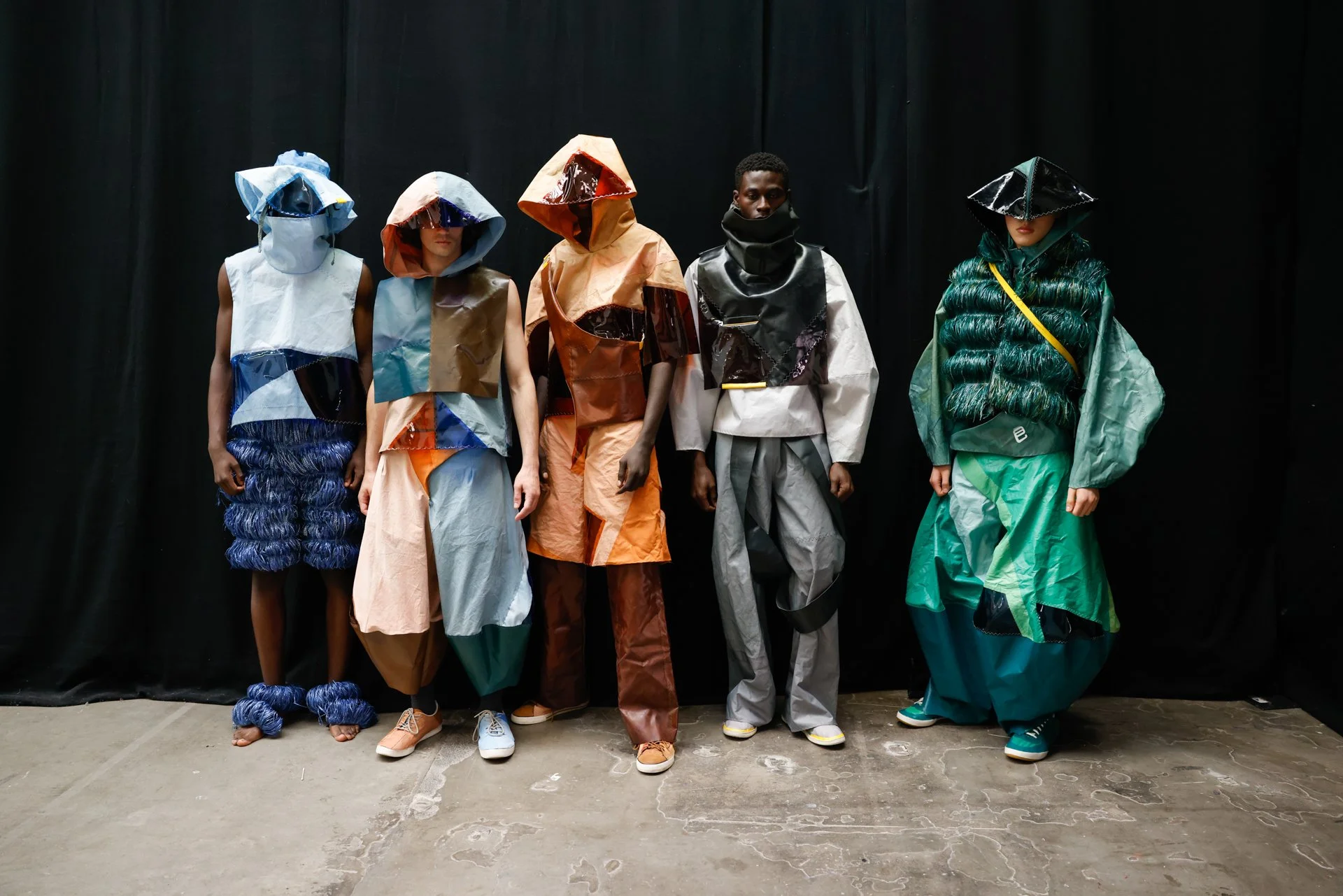
“We’re based in the heart of Norwich – the City of Stories – where medieval architecture meets cutting-edge studios. Our students dye fabric with foraged plants, thrift items for styling kits, experiment with digital fashion, and create garments from recycled sails, discarded denim, and locally grown fibres. Even our newly renovated canteen has a story—its vibrant flooring was reclaimed from school gymnasiums, with colourful stripes that nod to its playful past.”
How can we Reclaim Fashion?
“To reclaim fashion, we must also reclaim value: cultural, emotional, and ecological. It’s about slowing down, embracing creativity, and prioritising meaning over consumption. This mindful approach connects fashion with wellbeing, inviting reflection, intention, and joy in what we wear and why we wear it.”
Any Top Tips for Sustainable Fashion Newcomers?
“Start small. Repair something you love. Join a swap. Ask where your clothes come from.
Fashion is never just about clothes. It is a language of intent, a tool for communication and a framework for personal and collective storytelling.”
You can learn more about the courses on offer at Norwich University of the Arts here.
Take a look at Norwich’s programme here.