
Introducing SFW Hub: Belfast
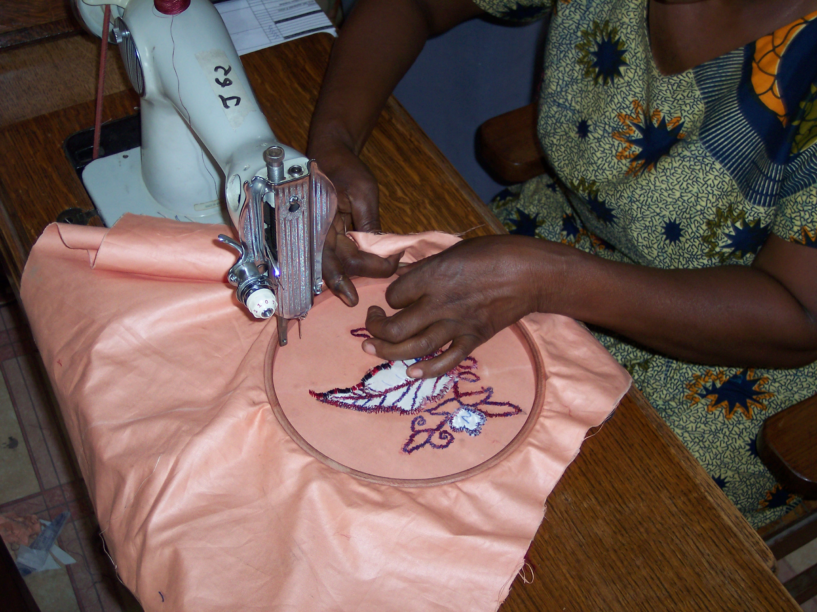
Introducing our Hub partner in Belfast, Tools For Solidarity.
Led by Sue Bamford, an award winning environmental artist, knitter, educator, visible mender… the list goes on! We chat to Sue for an insight into Tools For Solidarity and their plans for the Belfast Hub.
Can you tell us a little bit about your work with Tools For Solidarity (TFS)?
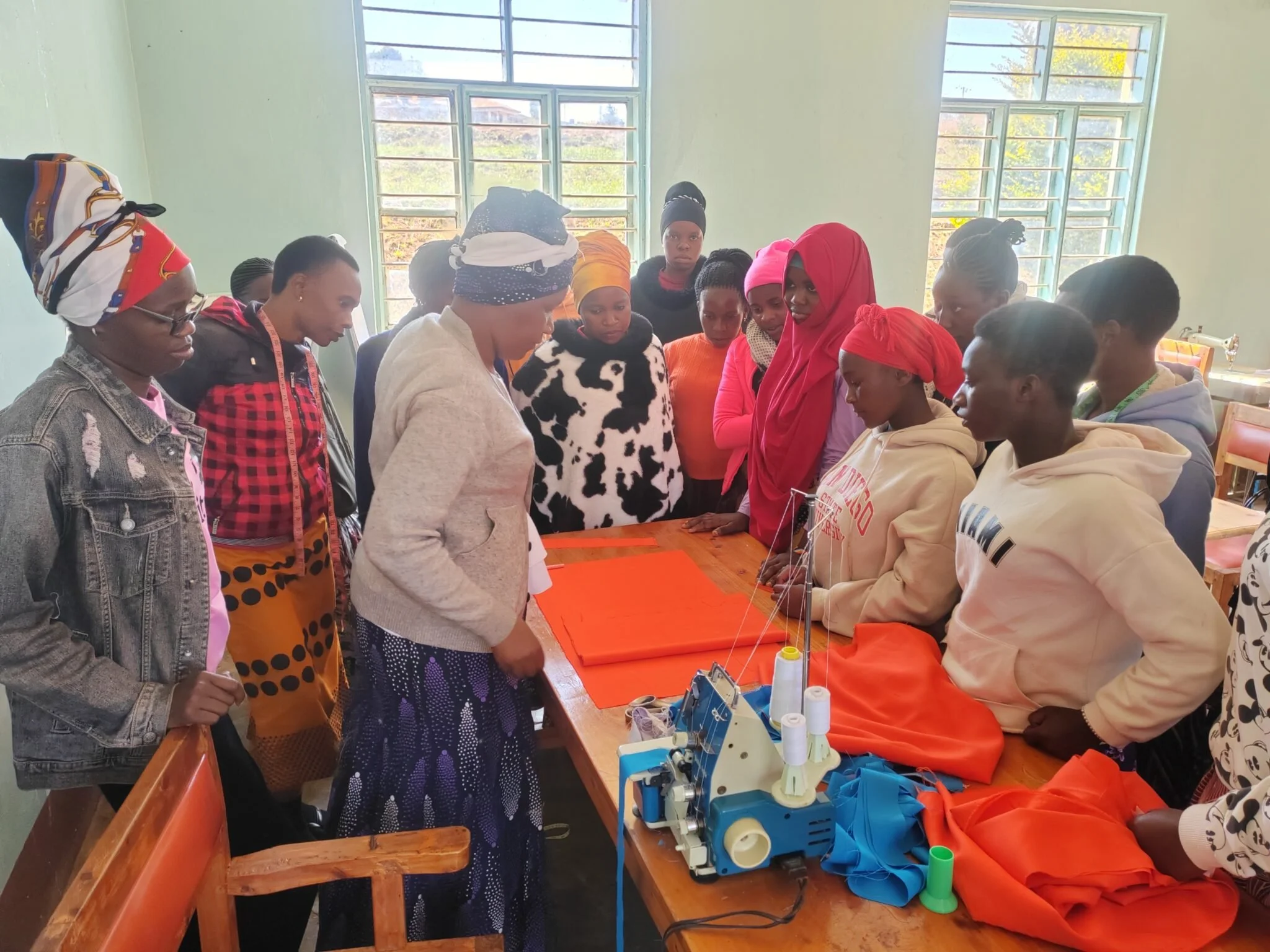
Sue:“Tools For Solidarity is a not-for-profit organisation in Belfast, Northern Ireland. Our work is fully run by international, local and supported volunteers. And the main focus of our charity is to support artisans in the poorest parts of the world and mostly in the countries of Africa. This act of solidarity enables them to become more self-reliant and have some hope for the future. We believe that we should all live simply so that others can simply live!”
Can you tell us a little bit about your background?
Sue: “I began making and altering pretty young. I was given my first sewing machine for my 16th birthday as my folks had seen me struggle to hand sew clothing for years and were pretty sure this wasn't just a fad. I made clothes for friends and costumes for school plays. I was very interested in clothing as construction of social identity, and wanted to study this, but it just wasn't available so I moved sideways into studying the history of art instead. Another common thread throughout my life is teaching sewing / making skills to others - both informally with my friends and professionally.
This has also informed my politics - as the dominance of the fast fashion model has increased in my lifetime, so has my advocacy for dressing in secondhand clothing specifically as an act of rebellion against capitalism. My personal style has always been highly individual, sometimes even fantastical, with a mix of self made and thrifted and this often sparks interesting conversations on the street. I have always made clothes suitable for the 'theatre of everyday life', merrily running about as a Bronte character dressed in repurposed bedsheets. I don't have time to wait for 'special occasions' to dress up when today can be made into a special occasion with the right costume.”
Have you taken part in any other initiatives in the community?
Sue: “Yes - both personally and as TfS. TfS and I are regular participants at Repair Cafes across NI, and have helped the Repair Cafe network expand. My colleague in TfS, Stephen Wood, sits on the board of the Belfast Tool Library, and TfS is a member of the Northern Ireland Resources Network, (NIRN), through which I have spoken at Stormont of the power of repair ("From Niche to Normal" - more here- I'm the one with the pink hair and corsetry made from men's suits).
Through NIRN, TfS was part of a new pilot schools programme to teach about the Circular Economy, with TfS running the textile strand alongside Habitat for Humanity and FareShare.
We host training sessions for Refugee and Asylum Seekers to learn to repair sewing machines and get some basic machine sewing skills in our workshop, and if we can fund a redevelopment of some of our workshop space, I would like to expand this to be a more regular, extended programme.”
Have you participated in SFW before?
Sue: “We did our Fashion Show in cahoots with Belfast City Council involving 5 community groups across Belfast teaching creative recycling as a way to educate on the perils of fast fashion and the volume of textile waste in Belfast. We presented 24 looks, split over four seasons each with its own colour palette and aesthetic turning donated fabrics and Oxfam rag into new garments using patchworking, lino-printing and embroidery skills.
This was a way to re-engage people with making skills that they had lost, many of whom used to work in the linen trade, and celebrate Belfast's textile history using linen. Many of these makers modelled their creations in the show, meaning we had ages from 5 to 75 on the catwalk. It was very important for us to make our fashion show more representative, fighting prevailing beauty myths about who can and should participate in fashion. Ours had a range of not just ages, but genders, sizes, ethnicities and abilities wearing garments that were both wearable street fashion and more edgy high-concept pieces. Some of these garments have been on display in Oxfam Holywood, Ireland's only Oxfam superstore, during the February SFW.”
What are your aims for taking part in SFW?
Sue: “To host a range of events that engage people with their wardrobes, the things they own and enjoy already, and make fashion less about shopping and more about sustainable self-expression. If I get my way, we'll have a mix of events - teaching skills, debates and a lot of fun.”
Do you have any guiding principles that your organisation uses?
Sue: "We live simply, so that others can simply live". "Repair is a radical act". But this frugality is not boring - it's colorful, joyful and soul-satisfying. We have a really good time on our side of the crazy gate, and we'd encourage people to come join us. It's capitalism and endless consumption that is soul-crushing.”
Are there any fun facts about you/ your team that you’d like to share?
Sue: “My pink hair is entirely my natural colour, honest!”
How would you recommend we can “Reclaim Fashion”?
Sue: “Reconnect with what you already own. Forget micro-trends and reconnect with the shapes and silhouttes that give you joy - be that the styles 1950s or a swishy style from 'The Lords of the Rings'. Clothes should make you happy - happy in your own skin, in being the Main Character in your own life.”
What piece of advice would you recommend to someone trying to change their fashion habits for the better?
Sue: “Don't try to do everything all at once. Decide what issues are important to you and start there:
- is it changing to natural fibres instead of fossil fibres?
- is it rejecting the fast fashion addiction?
- is it workers rights and social justice
- is it environmental degradation?
All of these are important, but it's also important not to get overwhelmed and feel hopeless in the face of these huge problems. Lots of small actions, repeated, bring about change.”
Which issue do you feel is the most important to address in the fashion industry?
Sue: “Environmental degradation - waste colonialism, pollution, overuse of finite resources. These things are deeply connected. But this system is recent, and can be unpicked. We can make better human connections. But we have to make it fun. Environmentalim is often codified in mainstream media as worthy, beige and boring - knit your own yogurt wearing ugly sandals - we need to show it as the joyous, colourful and creative practise that it truly is.”
What is your top tip for those new to consuming fashion sustainably?
Sue: “Shop your own wardrobe. What things have you forgotten about? Then shop yer nan's wardrobe, and your friends, and let them shop yours - make your journey towards being sustainable a collaborative one that's less cash and more community.”
Are there any documentaries/ exhibitions/ books you’d recommend for someone who is looking to change their perspective or educate themselves on the topic of fashion & sustainability?
Sue: “I'm a book person, but reading on these issues can be a tough road. Here are some great ones: Mend! A Refashion Manual and Manifesto - Kate Sekules, Folk Fashion - Amy Twigger Holroyd.”
What is your favourite wardrobe staple?
Sue: “I make the same dress out of mad kiddies duvet covers over and over. It's a really simple make, great to teach as an upcycling project, and really easy and comfortable to wear. I even layer them up for extra floofy volume.”
You can learn more about Tools For Solidarity work via their website here.
For more insight into Sue’s work you can follow her Instagram here.